Source 3 Wire Capacitive Proximity Sensor for Home, Industry, and Traffic
Find and compare 3 Wire Capacitive Proximity Sensor options from verified Chinese manufacturers. This curated list of 30 products includes models with IP67 ratings, PNP/NPN outputs, and 3mm detection distances for diverse industrial and consumer applications.
Key considerations
Products List




Comprehensive Sourcing Guide
3 Wire Capacitive Proximity Sensor Sourcing Guide
Sourcing 3-wire capacitive proximity sensors requires a disciplined approach to technical verification and supplier qualification, as these components serve as critical interface points in automated control systems. Unlike inductive sensors that detect only ferrous metals, capacitive sensors respond to changes in dielectric constant, allowing them to detect non-metallic targets such as plastics, liquids, powders, and wood. This versatility makes them indispensable in packaging, food processing, and material handling applications, but it also introduces complexity in selection because environmental factors like humidity or target material composition can influence detection reliability. Buyers must therefore prioritize sensors with stable output circuits and robust housing materials to ensure consistent performance across varying operational conditions.
The market for these sensors is characterized by a wide range of configurations, from standard cylindrical models to specialized surface-mount variants, with pricing and minimum order quantities (MOQs) varying significantly based on customization needs and volume commitments. Observed listing signals indicate a price range from approximately $0.46 to $5,000 USD, reflecting the disparity between basic industrial components and high-end, certified systems. Similarly, MOQs range from single units for prototyping to thousands for mass production, requiring procurement teams to align their purchasing strategy with their immediate operational demands and long-term inventory planning. Understanding these market dynamics is essential for negotiating favorable terms and ensuring supply chain resilience.
Product Scope and Observed Listing Signals
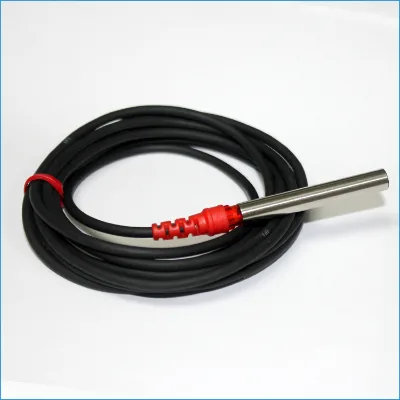
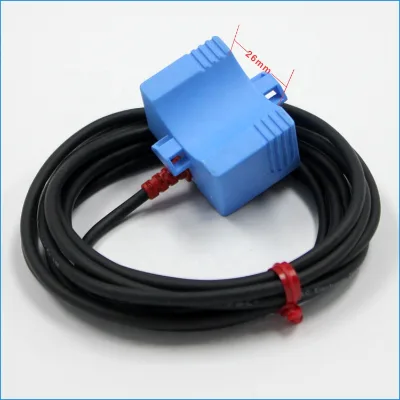
The product landscape for 3-wire capacitive proximity sensors includes a diverse array of models designed for specific industrial environments, with key attributes such as detection distance, waterproof ratings, and output types serving as primary differentiators. For instance, models like the FSNA03-N/D and LJ series are noted for their 3mm detection distance and IP67 waterproof ratings, making them suitable for harsh environments where dust and water ingress are concerns. Other variants, such as the 5C-44B and 5C-37, offer surface mounting capabilities and are constructed from materials like ABS, catering to applications where space constraints or aesthetic integration are priorities. These observed specifications highlight the importance of matching sensor physical and electrical characteristics to the specific mechanical and environmental constraints of the end-use application.
Output configuration is another critical factor, with both PNP and NPN three-wire options available to accommodate different PLC and controller architectures. The presence of models supporting both PNP and NPN outputs, such as those associated with the LM8-3001NA and CM18-3008PC series, provides flexibility for system integrators who may need to mix components from different manufacturers. Additionally, some sensors offer impulse or pulse outputs for DC and AC voltage ranges, expanding their utility in applications requiring precise timing or signal processing. Buyers should carefully review the wiring diagrams and voltage specifications, such as the 10-30VDC supply range or 12-24VDC impulse options, to ensure compatibility with their existing power infrastructure and control logic.
Technical Specifications to Verify
Voltage supply and switching type are fundamental technical parameters that must be verified to prevent system failures and ensure proper signal interpretation. Most 3-wire capacitive sensors operate on a DC supply, with common ranges including 10-30VDC or 12-24VDC, and some models supporting wider ranges up to 36VDC for impulse applications. It is crucial to confirm whether the sensor uses Normally Open (NO) or Normally Closed (NC) contact forms, as this determines the default state of the signal when no target is detected. For example, models with a Form A contact and NO switching type are typical for standard detection tasks, while others may offer No+Nc outputs for more complex logic requirements. Misalignment between the sensor’s output type and the controller’s input configuration can lead to false triggering or failure to detect, making this verification step non-negotiable.
Detection range and principle of operation are equally important, as capacitive sensors can detect a wide variety of materials but with varying sensitivity depending on the target’s dielectric properties. The detection distance, often specified as 3mm or within a range of 0-8mm, must be sufficient for the application’s mechanical tolerances while avoiding false triggers from nearby objects. Buyers should also verify the stitching frequency, with 1kHz being a common specification, as this affects the sensor’s response time and suitability for high-speed applications. Additionally, the material of the sensing face, whether metal or plastic, can influence durability and electromagnetic interference resistance, so selecting the appropriate material based on the environmental conditions is essential for long-term reliability.
Compliance and Safety Documentation
Certification requirements vary by region and application, but common standards include CE, RoHS, ISO, and FCC, which indicate compliance with European safety, environmental, and electromagnetic compatibility directives. The presence of CE and RoHS certifications is particularly important for sensors sold or used in the European market, as they ensure that the product meets strict health and environmental protection standards. ISO certification, often seen alongside CE and RoHS, suggests that the manufacturer adheres to quality management systems, which can be a proxy for consistent product quality and process control. Buyers should request valid certification documents and verify their authenticity, as counterfeit or expired certificates can pose significant legal and operational risks.
In addition to regulatory certifications, safety documentation such as technical datasheets and installation manuals are critical for proper integration and maintenance. These documents should provide detailed information on electrical characteristics, mechanical dimensions, and environmental ratings, including IP67 waterproofing, which protects against dust and water jets. For sensors used in hazardous environments or critical safety applications, additional certifications such as CCC or specific safety integrity level (SIL) ratings may be required. Buyers should ensure that the supplier provides comprehensive documentation in English and that it includes all necessary warnings, precautions, and troubleshooting guides to facilitate safe and efficient installation and operation.
Cost Drivers and Commercial Terms
Pricing for 3-wire capacitive proximity sensors is influenced by several factors, including the complexity of the sensor, the materials used, and the level of customization required. Basic models with standard specifications may be available at lower price points, while specialized sensors with custom detection ranges, unique housing materials, or advanced output configurations will command higher prices. The observed price range of $0.46 to $5,000 USD reflects this variability, with the lower end representing high-volume, commodity items and the higher end indicating specialized or high-performance units. Buyers should request detailed quotes that break down costs by component and service to understand the value proposition and identify potential areas for cost optimization.
Minimum order quantities (MOQs) and payment terms are key commercial considerations that affect cash flow and inventory management. MOQs ranging from 1 to 1,000 units allow for flexibility, enabling buyers to start with small orders for testing and scale up as demand increases. However, higher volumes may qualify for volume discounts, so it is important to negotiate pricing based on projected annual requirements. Payment terms, such as advance payment, letter of credit, or net-30 days, should be aligned with the buyer’s financial policies and the supplier’s risk tolerance. Clear communication regarding lead times, shipping methods, and return policies is also essential to avoid disruptions in the supply chain and ensure timely delivery of critical components.
Supplier Qualification and Quality Control
Supplier qualification is a critical step in ensuring the reliability and consistency of 3-wire capacitive proximity sensors, requiring a thorough assessment of the manufacturer’s capabilities and track record. Buyers should verify the supplier’s production facilities, quality management systems, and testing procedures to ensure that they meet industry standards and can deliver products that meet specified performance criteria. Suppliers located in regions such as Hunan or Shenzhen, China, may offer competitive pricing and rapid turnaround times, but buyers should conduct due diligence to confirm their ability to maintain consistent quality and provide adequate after-sales support. Requesting samples for testing and evaluation is a recommended practice to validate the supplier’s claims before committing to large orders.
Quality control measures, including incoming material inspection, in-process testing, and final product verification, are essential for minimizing defects and ensuring product reliability. Buyers should inquire about the supplier’s defect rate, warranty terms, and procedures for handling non-conforming products. A robust quality control system should include statistical process control (SPC) methods to monitor production consistency and identify potential issues early. Additionally, suppliers should provide traceability information, such as batch numbers and production dates, to facilitate root cause analysis in the event of a field failure. Establishing a clear communication channel for quality issues and resolving them promptly is vital for maintaining a strong supplier relationship and ensuring continuous improvement.
Long-Term Procurement Checks
Long-term procurement success depends on regular performance monitoring and supplier relationship management to ensure that 3-wire capacitive proximity sensors continue to meet operational needs and quality standards. Buyers should establish key performance indicators (KPIs) such as defect rates, delivery times, and response to technical inquiries to evaluate supplier performance over time. Regular audits and site visits, if feasible, can provide valuable insights into the supplier’s operational practices and identify areas for improvement. Maintaining open communication and fostering a collaborative partnership can lead to better pricing, priority service, and access to new product developments, enhancing the buyer’s competitive advantage.
Technology evolution and market trends also require ongoing attention, as advancements in sensor technology may offer improved performance, lower costs, or new features that benefit the buyer’s applications. Buyers should stay informed about industry developments and engage with suppliers to explore opportunities for innovation and optimization. Periodic reviews of the supplier base and alternative sourcing options can help mitigate risks associated with single-source dependencies and ensure that the buyer remains agile in responding to changing market conditions. By proactively managing these aspects, buyers can secure a reliable supply of high-quality 3-wire capacitive proximity sensors that support their long-term business objectives.
FAQs
What certifications do these sensors have?
These sensors hold CE, RoHS, and ISO certifications. Some models also include FCC and CCC approvals. Buyers should verify specific model certifications before procurement to ensure compliance with regional regulations.
How is the detection distance defined?
The detection distance is typically 3mm for standard models. Some variants offer a range of 0-8mm. This distance depends on the target material and installation conditions, requiring careful setup for optimal performance.
Can the sensors be customized for specific needs?
Yes, customization is available for these capacitive proximity sensors. Buyers can request specific wiring types like PNP or NPN. Customization options allow adaptation to unique industrial or commercial application requirements.
What is the waterproof rating of the device?
The sensors feature an IP67 waterproof rating. This ensures protection against dust and temporary immersion in water. Such durability makes them suitable for harsh industrial environments or outdoor applications requiring high reliability.
Which voltage supply range is supported?
The devices support a voltage supply of 10-30VDC with 10% tolerance. Some models also accept AC110-220V or DC12-24V impulse inputs. This flexibility allows integration into various power systems without additional converters.
What is the stitching frequency capability?
The stitching frequency reaches up to 1kHz. This high frequency enables rapid switching for fast-moving production lines. It ensures reliable detection even in high-speed automated manufacturing processes requiring quick response times.
Where are these sensors manufactured?
Manufacturing originates from Hunan and Shenzhen, China. These locations are known for producing industrial automation components. Buyers can expect consistent quality standards aligned with international certifications like CE and ISO.
What packing options are available for orders?
Standard packing includes cartons or boxes, with options like 50PCS per carton. Custom packaging is available upon request. This ensures safe transport and easy inventory management for bulk industrial procurement needs.